
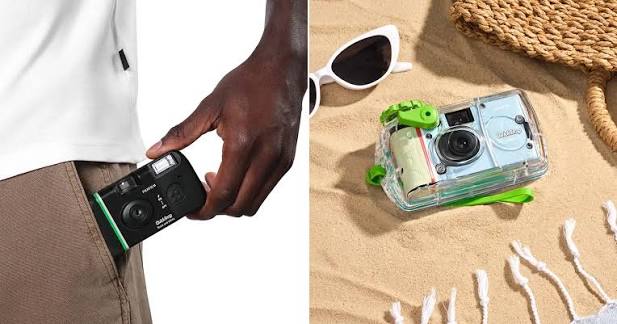
Fujifilm has introduced two new disposable film cameras from its QuickSnap lineup.The new models are scheduled to go on sale in the fall of 2026.The company took this step due to the rapidly growing interest of the younger generation in analog photography equipment and vintage-aesthetic photos.The first novelty is the QuickSnap Black and White, priced at $23.The camera is equipped with black-and-white film that allows you to take high-contrast, impressively half-toned, and classically grainy black-and-white photos.The main advantage for modern users is that this film can be developed in any photo studio using the standard method used for regular color films.Thus, there is no need to look for special workshops.The second model is the rugged QuickSnap Active camera, priced at $25.It is designed for use in harsh conditions and is water-resistant up to a depth of 10 meters.The camera body features a large shutter button and a large film winding wheel for comfortable use in the water or during active recreation.This model will replace the previous waterproof version of QuickSnap on the market.Such devices are a good alternative to smartphones, allowing you to capture unique, natural, and unrepeatable moments at parties, on travels, and beach vacations without any complicated settings.